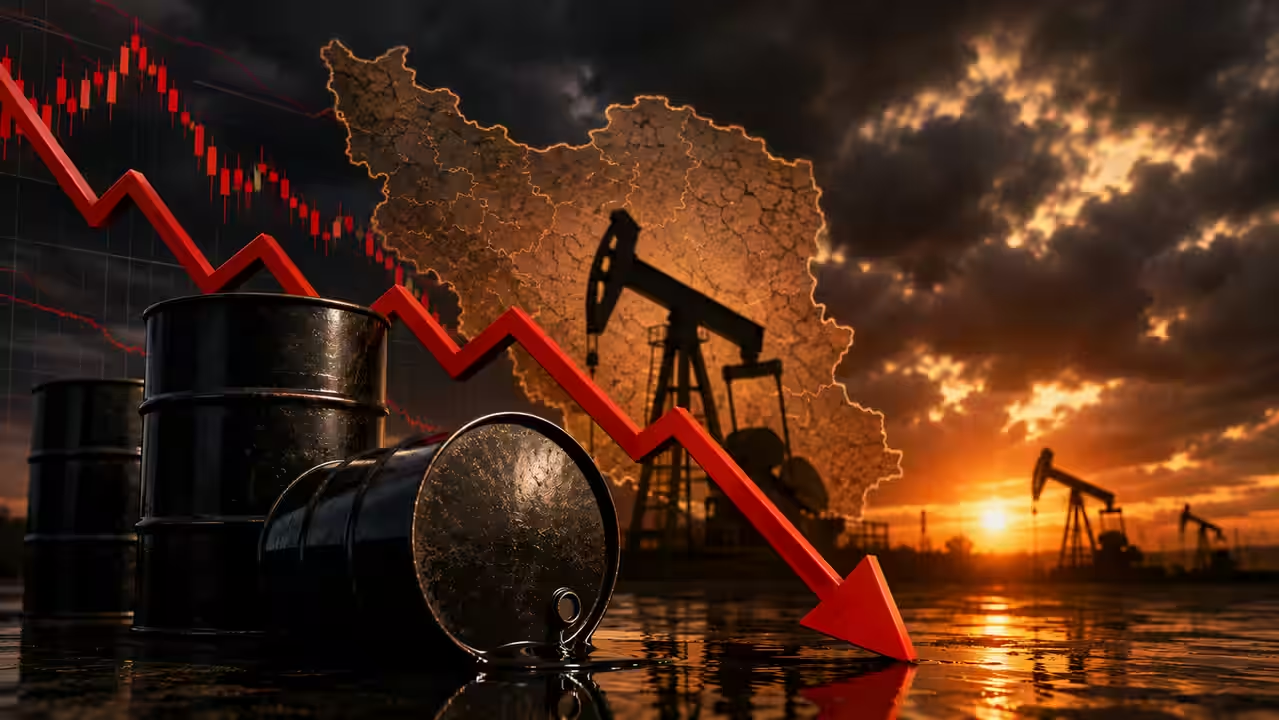
The United States has launched a broader economic campaign aimed at increasing pressure on Iran and limiting its ability to access international financial and commercial networks. Dubbed Operation Economic Outcast, the initiative expands the focus beyond Iranian entities to include foreign banks, companies, shipping operators, traders and governments that continue to maintain certain economic ties with Tehran.
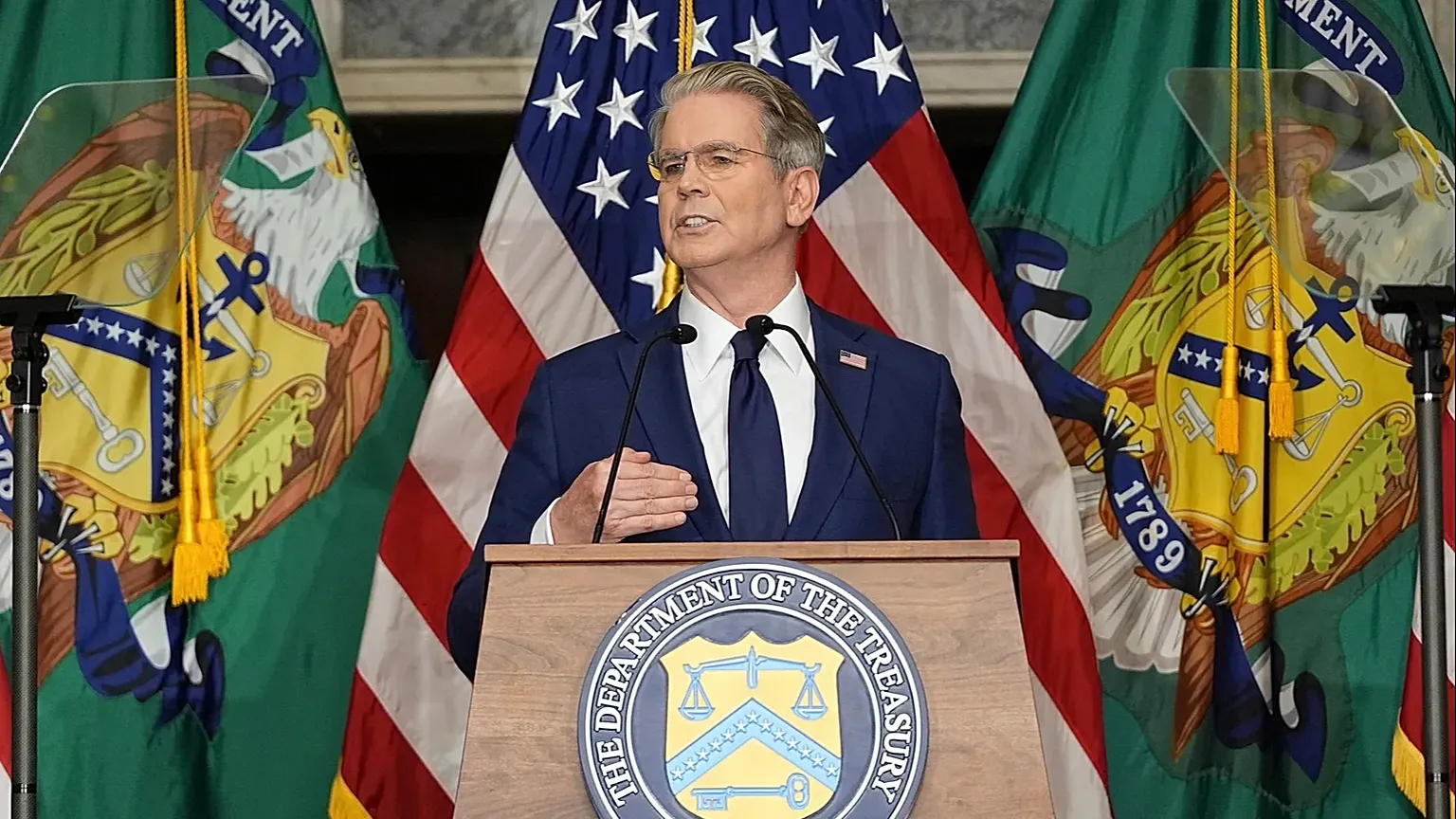
Announced by US Treasury Secretary Scott Bessent, the campaign is designed to restrict the financial channels that Iran uses to generate revenue, move funds and obtain goods and technology. Nearly 60 individuals, companies and vessels across multiple jurisdictions had already been targeted under the latest measures, according to reports.
What Is Operation Economic Outcast?
Operation Economic Outcast represents an expansion of the US strategy of using economic sanctions to isolate Iran from the global financial system. Rather than concentrating exclusively on Iranian businesses and institutions, the campaign places greater emphasis on the international networks that facilitate Iran’s trade and financial activity.
The approach also increases the potential use of secondary sanctions, which can affect foreign companies and financial institutions even when they are not based in the United States. This creates additional compliance risks for businesses that conduct transactions involving Iranian entities.
Washington has presented the campaign as an effort to reduce Iran’s remaining sources of revenue and prevent financial networks from supporting activities associated with its military, nuclear, missile and cyber programmes.
Which Industries Are Being Targeted?
The latest campaign places particular attention on several sectors considered important to Iran’s ability to maintain international commercial connections.
These include:
- Digital assets
- Technology
- Gold
- Aviation
- Shipping
Iran’s oil industry also remains a major focus. Oil exports provide an important source of foreign currency, making the trade a recurring target of US sanctions.
The strategy is therefore aimed not only at companies directly connected to Iran but also at brokers, vessel operators, financial institutions, technology suppliers and other intermediaries that could help Iranian businesses continue operating internationally.
Why Is Shipping a Key Part of the Strategy?
Shipping plays an important role in Iran’s oil trade and broader commercial activity. Iranian petroleum shipments have previously been targeted through sanctions against tanker operators, ship managers, brokers and vessels.
US authorities have also focused on networks operating across multiple jurisdictions, including businesses involved in brokering and transporting Iranian petroleum products.
The latest approach seeks to increase the financial and regulatory risks for companies that facilitate such transactions. Foreign businesses may therefore face greater scrutiny when dealing with Iranian cargoes, vessels, insurers, brokers or financial intermediaries.
Why Does the US Dollar Matter?
One of the most significant aspects of the campaign is the potential use of access to the US financial system as leverage.
International banks frequently rely on correspondent banking relationships and dollar-clearing infrastructure to conduct cross-border transactions. Losing access to the US dollar system can therefore create substantial difficulties for financial institutions and companies involved in global trade.
US officials have warned that entities involved in activities such as money laundering on behalf of Iran could face restrictions affecting their ability to participate in the dollar-based financial system.
For international businesses, this means that even transactions conducted outside the United States can potentially create significant sanctions-related exposure.
Trump Warns Iran’s Trading Partners
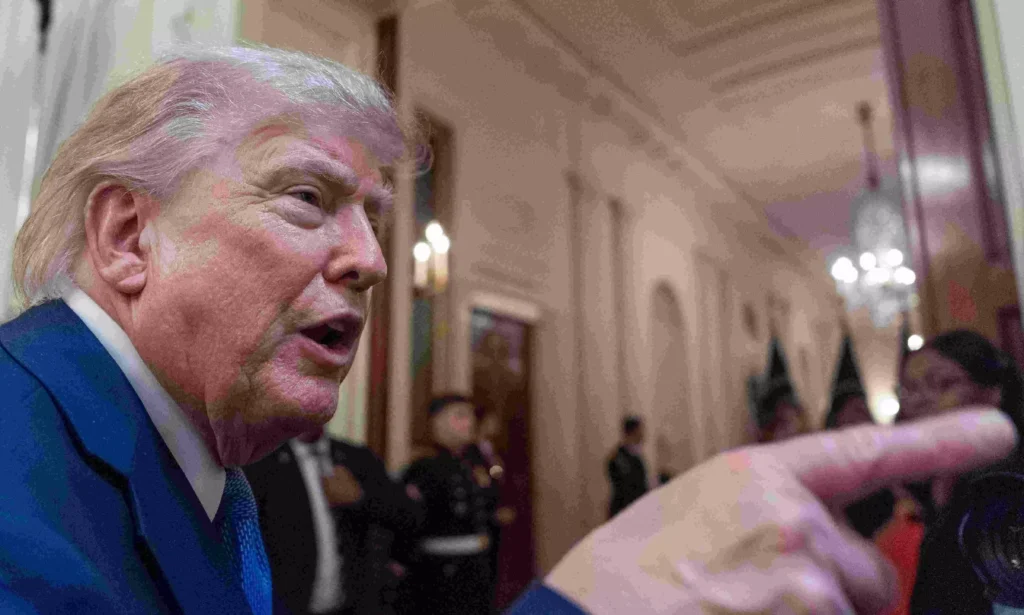
US President Donald Trump has also warned governments and businesses that continue providing economic support to Iran.
The message from Washington has extended beyond oil transactions to activities including financial transfers, exchange houses, ship registrations, front companies and other mechanisms that could provide Iran with an economic lifeline.
The broader objective is to discourage countries and private-sector businesses from maintaining commercial channels that Washington considers supportive of Tehran.
How Does the Campaign Build on Earlier US Sanctions?
Operation Economic Outcast follows the restoration of the US maximum pressure strategy toward Iran in February 2025.
The policy called for increased economic pressure, stronger enforcement against sanctions violations and efforts to reduce Iranian oil exports. Subsequent measures targeted networks accused of helping move Iranian crude and petroleum products through international markets.
Additional sanctions in 2025 and 2026 have focused on individuals, companies, vessels, oil networks and financial channels across jurisdictions including China, India and the United Arab Emirates.
The latest campaign consequently represents an escalation of an existing sanctions strategy rather than an entirely new approach.
What Could the New Measures Mean for Global Trade?
The wider use of secondary sanctions could create challenges for companies that have indirect connections to Iranian trade. Banks may increase compliance checks, shipping companies could face greater scrutiny, and traders may become more cautious about transactions involving Iranian-origin commodities. U.S.-Iran sanctions can also contribute to broader market volatility as investors assess the potential impact on oil prices, trade flows and global risk sentiment. Companies operating in sectors such as energy, logistics, aviation, technology and finance may need to review counterparties and transaction routes more carefully.
The measures could also affect countries that maintain commercial relationships with Iran, particularly if their businesses depend heavily on access to the US financial system.
At the same time, the effectiveness of the campaign may depend on how willing major trading partners are to comply with Washington’s demands and how successfully Iran can maintain alternative trade and financial channels.
The Broader Geopolitical Impact
Operation Economic Outcast comes amid heightened US-Iran tensions and a broader confrontation involving economic, military and diplomatic pressure.
Washington’s strategy seeks to combine sanctions enforcement with pressure on the international networks that allow Iran to continue generating revenue. However, the campaign could also increase tensions with countries and businesses that maintain economic ties with Tehran.
The role of major trading partners will be particularly important. If large economies continue purchasing Iranian commodities or facilitating transactions, Iran may retain avenues for international trade despite increased US restrictions.
Conclusion
Operation Economic Outcast marks a significant expansion of the US effort to economically isolate Iran. By targeting oil revenues, shipping, technology, digital assets, gold, aviation and financial networks while increasing the threat of secondary sanctions, Washington is attempting to make international engagement with Tehran considerably more difficult.
The campaign’s ultimate impact will depend on enforcement, cooperation from foreign governments and businesses, and Iran’s ability to find alternative routes for trade and finance. For international companies, the latest measures underscore the growing importance of sanctions compliance and careful assessment of business relationships connected to Iran.
Frequently Asked Questions
Operation Economic Outcast is a US economic pressure campaign designed to isolate Iran by targeting its financial, commercial and international trade networks. The campaign also increases pressure on foreign entities that facilitate certain transactions involving Tehran.
The campaign focuses on digital assets, technology, gold, aviation and shipping, while continuing the US government’s focus on Iran’s oil trade and financial networks.
Companies involved in banking, shipping, energy, technology, aviation and international trade may face increased compliance risks when dealing with Iranian entities or transactions. Businesses may need to conduct additional due diligence to determine whether their activities could trigger sanctions exposure.