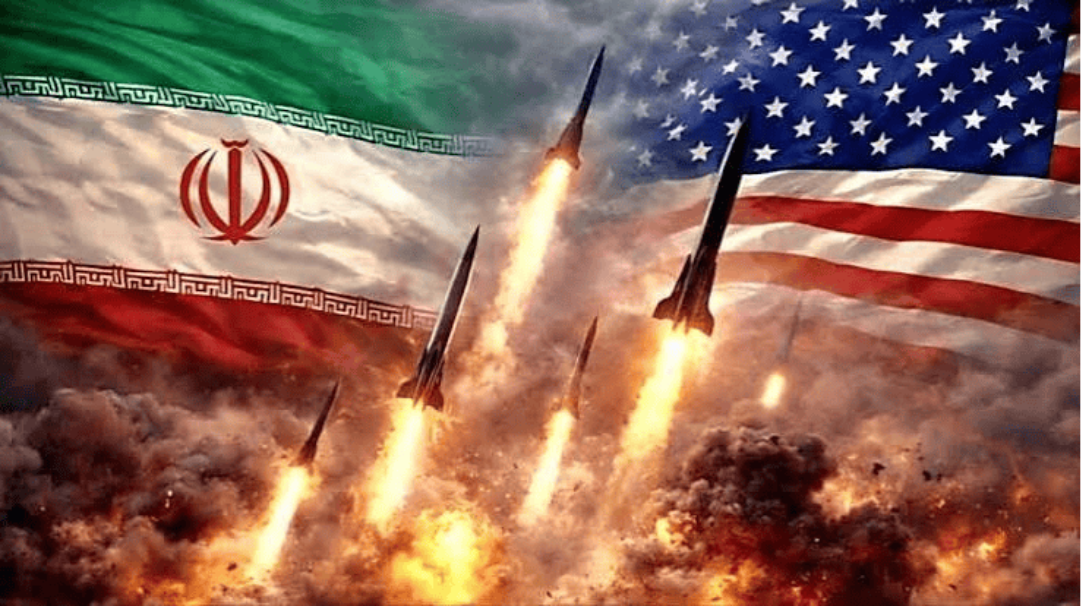
Tensions between Iran and the United States have intensified after a new wave of attacks involving oil tankers and commercial vessels near the Strait of Hormuz. The latest incidents represent one of the largest escalations involving shipping since the conflict began six months ago.
The renewed fighting has also raised concerns about global energy supplies, as the Strait of Hormuz remains one of the world’s most important routes for oil transportation.
Attacks Increase Around the Strait of Hormuz
Iran said it had attacked several ships near the Strait of Hormuz after the United States reported destroying five Iranian oil tankers. The incidents occurred after a period of relative calm in the region.
The U.S. military said its attacks on Iranian tankers followed attempted ballistic missile attacks by Iran’s Revolutionary Guard against a U.S. Navy warship. American officials said no U.S. personnel were injured.
Iran, meanwhile, said it had targeted U.S. ships and commercial tankers as part of its response.
The escalation has created renewed uncertainty for shipping companies operating in the Gulf and Gulf of Oman, where several commercial vessels have reportedly been damaged or forced to change course.
Shipping Disruptions Raise Energy Concerns
The Strait of Hormuz is particularly important to global energy markets because a significant portion of the world’s oil supplies traditionally passes through the waterway.
Recent fighting has reduced the volume of oil moving through the strait. Energy analysts have estimated that flows have fallen substantially from levels recorded before the latest escalation.
Any prolonged disruption could put additional pressure on crude oil and refined fuel prices around the world.
Brent crude prices moved above $100 a barrel following the latest attacks, marking a significant increase as traders responded to concerns about the security of energy supplies.
The impact has also been visible in fuel markets. U.S. diesel prices reached another record level, reflecting the wider effect that disruptions in crude supply can have on refined petroleum products.
Commercial Vessels Caught in the Conflict
The latest incidents have involved more than military vessels and Iranian tankers. Several commercial ships operating in the region have also reportedly been affected.
A crew member aboard the oil products tanker Hercules Star was reported killed, while another was listed as missing after an incident near Dubai. Other vessels were reported damaged or set on fire in waters around the Gulf.
A separate tanker carrying fuel oil was also reported to have caught fire after being struck in Iraqi waters. The vessel was carrying approximately 2 million barrels of fuel oil, with no immediate reports of casualties among its crew.
Maritime security authorities have warned of additional incidents involving commercial vessels on both sides of the Strait of Hormuz.
These developments could make shipping companies increasingly cautious about operating in the region, potentially leading to higher insurance, transportation and energy costs.
Iran Warns of Further Escalation
Iran’s Revolutionary Guard has warned that its response could intensify if additional attacks take place.
Iranian officials have also indicated that a new restricted maritime zone could be established, potentially extending toward the waters near Chabahar on Iran’s southeastern coast.
Such measures could further complicate commercial shipping routes and increase pressure on vessels attempting to move through the region.
The situation remains fluid, with military activity and diplomatic developments capable of changing the risks faced by shipping operators from one day to the next.
Wider Conflict Adds to Energy Market Pressure
The situation around the Strait of Hormuz is not the only source of concern for Middle Eastern energy supplies.
Fighting involving Saudi Arabia and Yemen’s Houthi movement has also intensified in recent weeks. Pakistan has also warned Iran as Houthi attacks contribute to rising regional tensions, creating another potential threat to shipping routes and energy infrastructure in the region.
The Bab el-Mandeb Strait, which connects the Red Sea with the Gulf of Aden, is another strategically important waterway for international commerce.
Disruptions affecting both Hormuz and Bab el-Mandeb could create wider challenges for global supply chains, particularly if shipping companies are forced to use longer alternative routes.
What the Escalation Could Mean for Oil Prices
Oil markets typically respond quickly to concerns about disruptions in major transportation routes.
The latest rise in crude prices reflects fears that reduced flows through the Strait of Hormuz could continue if the conflict expands.
However, the long-term effect on prices will depend on several factors, including the duration of the conflict, the ability of tankers to safely navigate the region, alternative energy supplies and any diplomatic efforts to reduce tensions.
Higher crude prices can eventually affect consumers through increased costs for gasoline, diesel, transportation and other products that depend on petroleum.
Political Tensions Add Another Dimension
The conflict is also taking place against a backdrop of heightened political tensions in the United States.
President Donald Trump has accused Iran of attempting to influence the upcoming U.S. midterm elections, while Iranian officials have warned that continued military attacks could lead to a stronger response.
There are also questions about how long the conflict could continue. Reports have suggested that some U.S. officials privately believe the fighting could extend for an extended period, although the future course of the conflict remains uncertain.
The combination of military, political and economic pressures makes the situation particularly difficult to predict.
What Happens Next?
The immediate focus will likely remain on the security of commercial shipping around the Strait of Hormuz.
If attacks continue, shipping companies could face increased operational risks and rising insurance and transportation costs. A prolonged reduction in oil flows could also keep energy markets under pressure.
On the other hand, successful diplomatic efforts or a reduction in military activity could allow shipping traffic to gradually recover.
For now, businesses and governments around the world are closely watching developments because continued disruption in the region could have consequences well beyond the Middle East.
Conclusion
The latest escalation between Iran and the United States has placed commercial shipping and global energy supplies under renewed pressure. Attacks involving oil tankers and other vessels have disrupted traffic around the Strait of Hormuz and contributed to a sharp increase in oil prices.
The effects could extend beyond the immediate conflict if shipping disruptions continue. Higher transportation costs, increased fuel prices and uncertainty across global supply chains could affect businesses and consumers in multiple countries.
Much will depend on whether military activity continues to escalate or whether diplomatic efforts can restore greater stability. Until the situation becomes clearer, the Strait of Hormuz will remain a major focus for energy markets, shipping companies and governments around the world.
FAQs
Oil prices have risen because attacks and shipping disruptions around the Strait of Hormuz have increased concerns about the availability and transportation of crude oil and refined fuels.
Prolonged disruptions can increase transportation, insurance and fuel costs. These higher expenses can eventually affect gasoline, diesel and the prices of products that rely on global shipping.
A prolonged reduction in shipping through the Strait of Hormuz could put additional pressure on global energy markets. The overall impact will depend on how long the disruption lasts and whether alternative supply routes can compensate.