Pakistan has warned Iran to take steps to rein in Houthi forces following a series of missile attacks targeting oil facilities in southern Saudi Arabia. The developments have raised concerns about the possibility of the wider Middle East conflict expanding into another front.
According to sources in Islamabad, Pakistan conveyed the warning to Iran after Houthi rebels continued attacks on Saudi targets during an escalation this week.
Houthi Missile Attacks Increase Regional Concerns
Houthi forces in Yemen have launched ballistic missiles toward Saudi Arabia, with oil facilities in the southern parts of the kingdom among the reported targets. Saudi Arabia responded with airstrikes against Houthi positions in Yemen.
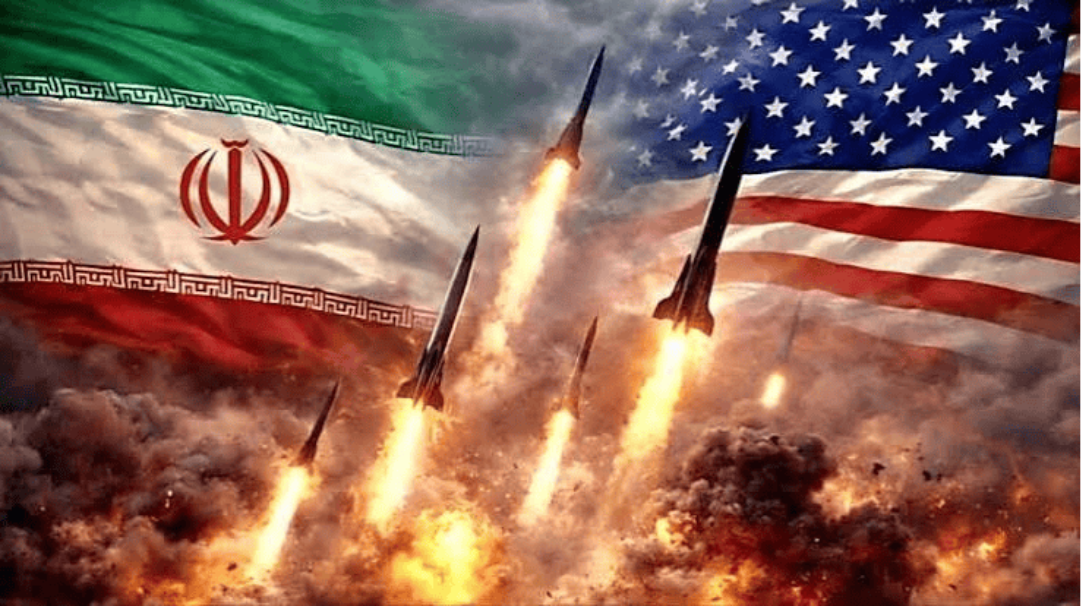
The latest exchanges have added to tensions across a region already affected by military activity involving the United States and Iran, including operations around the strategically important Strait of Hormuz.
The situation has also placed Pakistan in a difficult position because of its close defense relationship with Saudi Arabia and its efforts to maintain diplomatic channels with Iran.
Pakistan Faces Pressure From Its Defense Commitments
Pakistan has longstanding security and defense ties with Saudi Arabia. The two countries signed a bilateral defense agreement last year, while Pakistan has also been involved in broader security cooperation with Saudi Arabia and Turkey.
Under its defense commitments, Pakistan has deployed air force personnel, fighter aircraft and ground troops to Saudi Arabia to support the kingdom’s defense.
Sources indicated that Pakistani aircraft were not expected to participate directly in Saudi military air operations against Houthi forces in Yemen. However, Pakistan’s air-defense systems could be activated if additional attacks threaten Saudi territory.
One source described Pakistan’s position as focused on defending the kingdom within the scope of its existing defense commitments while avoiding direct involvement in the wider conflict.
Pakistan’s Diplomatic Role With Iran and the United States
Pakistan has also been involved in diplomatic efforts between Iran and the United States. Its position has become more complicated as tensions have increased across the region, with shipping disruptions adding another layer of concern to the broader Iran-U.S. conflict.
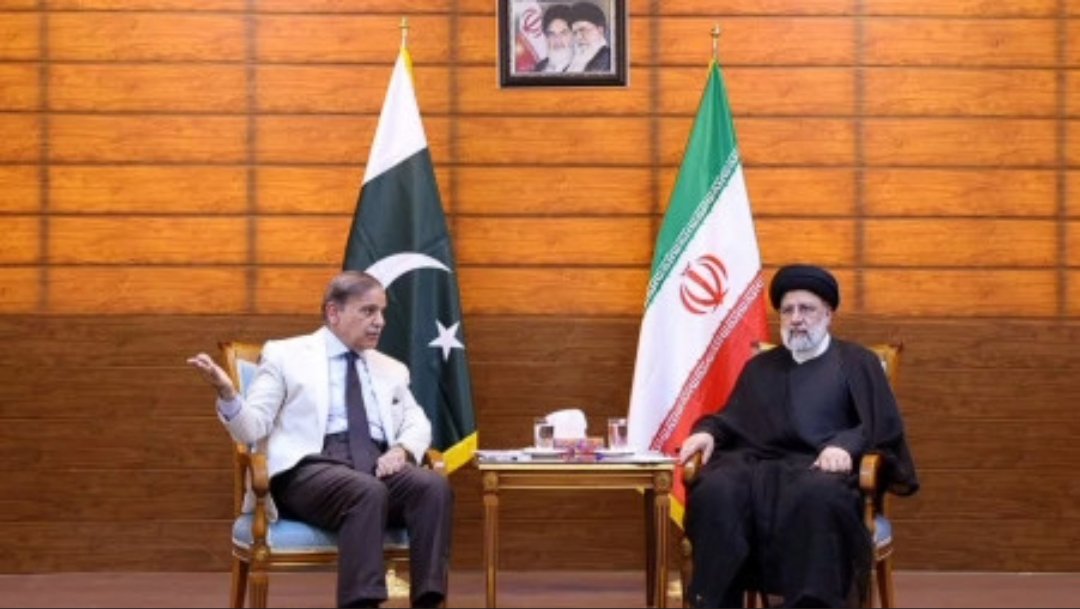
The Houthi issue reportedly came up during a recent visit to Tehran by Pakistan’s military chief, General Asim Munir.
Pakistan’s warning to Iran reflects the country’s attempt to balance its strategic relationship with Saudi Arabia while maintaining communication with Tehran.
That balancing act could become increasingly difficult if attacks involving Houthi forces continue or expand.
Why the Red Sea Remains Important
Houthi activity in and around the Red Sea has broader implications beyond Saudi Arabia and Yemen. The region is an important route for international shipping and energy transportation, making prolonged instability a concern for governments and businesses around the world.
Further attacks could increase security risks for commercial vessels and contribute to uncertainty across regional energy markets.
The developments also come as tensions surrounding the Strait of Hormuz remain high, creating concerns about the potential effects of multiple regional flashpoints occurring at the same time.
What Could Happen Next?
The immediate focus will likely remain on whether further Houthi attacks occur and how Saudi Arabia responds.
Pakistan will also face pressure to uphold its defense commitments without becoming directly drawn into military operations beyond its stated role. At the same time, maintaining diplomatic communication with Iran could provide an opportunity to prevent further escalation.
Much will depend on whether regional actors can contain the latest confrontation or whether attacks begin involving additional countries and strategic targets.
Conclusion
Pakistan’s warning to Iran comes at a sensitive moment for the Middle East, with Houthi attacks on Saudi targets adding another layer to an already complicated regional conflict.
Pakistan’s defense relationship with Saudi Arabia places it under an obligation to support the kingdom’s security, while its diplomatic engagement with Iran and the United States gives Islamabad an additional role in efforts to prevent escalation.
For now, Pakistan appears focused on defending Saudi territory while avoiding direct participation in offensive operations. However, continued attacks could test that position and make regional diplomacy increasingly challenging.
FAQs
The Houthis are an armed political and military movement based in Yemen. They have been involved in Yemen’s prolonged conflict and have carried out attacks against targets in the region, including Saudi Arabia and commercial shipping routes.
Reports indicate that Pakistan is not expected to participate in Saudi air operations against Houthi forces in Yemen. Its defense role is focused on protecting Saudi territory under its bilateral defense commitments.
Continued instability around the Red Sea could affect commercial shipping and increase security concerns for vessels using the region. Prolonged disruption could also contribute to uncertainty in global energy and transportation markets.