A roof can look perfectly fine from the ground while quietly collecting leaves, moss, algae, lichen, and other debris. Over time, this buildup can trap moisture, contribute to material deterioration, and make it harder to spot minor problems before they become costly repairs. Regular roof maintenance is therefore an important part of protecting a home and extending the service life of its roofing system.
Why Roof Cleaning Should Be Part of Routine Maintenance
Roof cleaning is about more than improving curb appeal. Organic growth and accumulated debris can retain moisture against roofing materials, potentially accelerating deterioration. A clean roof also makes it easier to identify issues such as cracked tiles, lifted shingles, damaged flashing, or other signs of wear.
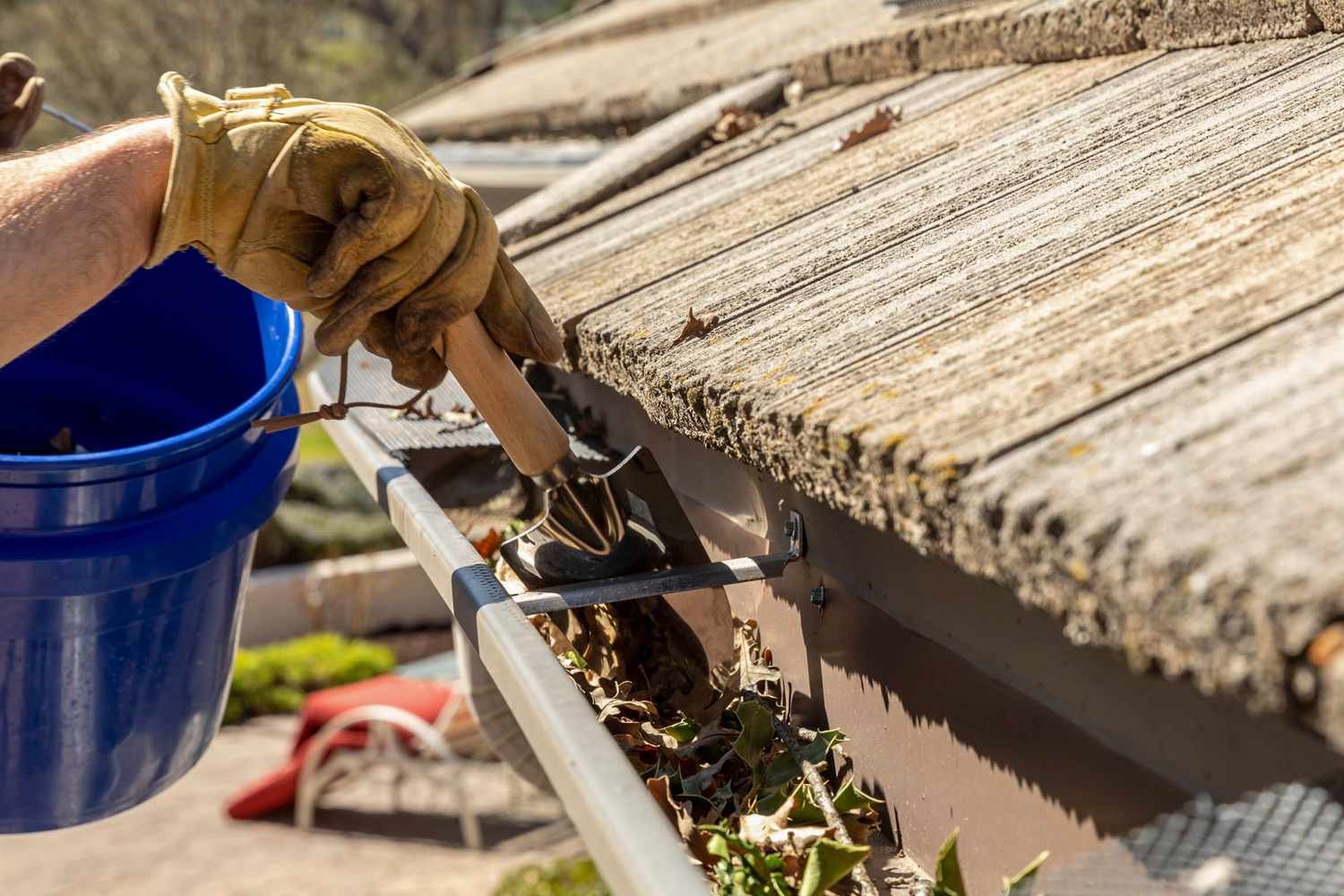
Routine maintenance can include removing debris, keeping gutters clear, and cleaning the roof according to the roofing material and manufacturer recommendations. Addressing these tasks before problems become visible can help homeowners avoid more extensive repairs.
When Is the Best Time to Clean a Roof?
Spring and fall are often practical times for roof cleaning. Fall maintenance can remove leaves and organic debris before winter weather arrives, while spring cleaning can clear away material that accumulated during colder months. These seasons may also offer more moderate weather conditions for maintenance work.
Homes surrounded by trees may require more frequent attention. Leaves, branches, pollen, and other organic material can accumulate in roof valleys and gutters throughout the year. After severe weather, homeowners should also check for debris or potential storm damage rather than waiting for the next scheduled inspection.
How Often Should a Roof Be Cleaned?
There is no single schedule that works for every home. A professional inspection and cleaning every one to two years may be appropriate in many situations, but local conditions can change that recommendation.
Homes surrounded by heavy vegetation, for example, may need more frequent maintenance because shade and organic debris can encourage moss and algae growth. Humid or wet climates can also create conditions that promote organic growth, while areas exposed to saltwater spray may require additional attention.
The roofing material matters, too. Asphalt shingles, clay tiles, concrete tiles, wood shingles, and metal roofing all have different maintenance requirements. Following material-specific recommendations is essential to avoid unnecessary damage.
Improper Cleaning Can Damage a Roof
One of the biggest mistakes homeowners can make is assuming that every roof can be cleaned in the same way. High-pressure washing may damage certain roofing materials. On asphalt shingles, excessive pressure can remove protective granules, while tile roofing can be damaged by improper cleaning techniques or unnecessary foot traffic.
For this reason, roof cleaning should follow the manufacturer’s recommendations. A qualified roofing professional can determine the appropriate cleaning method and identify existing damage during the process.
Cleaning Different Types of Roofing Materials
Asphalt Shingles
Asphalt shingles generally should not be pressure washed. Excessive pressure can remove protective granules and reduce the shingles’ ability to withstand weather and ultraviolet exposure. Manufacturer-approved soft-wash methods are typically more appropriate for removing algae and organic growth.
Clay and Concrete Tiles
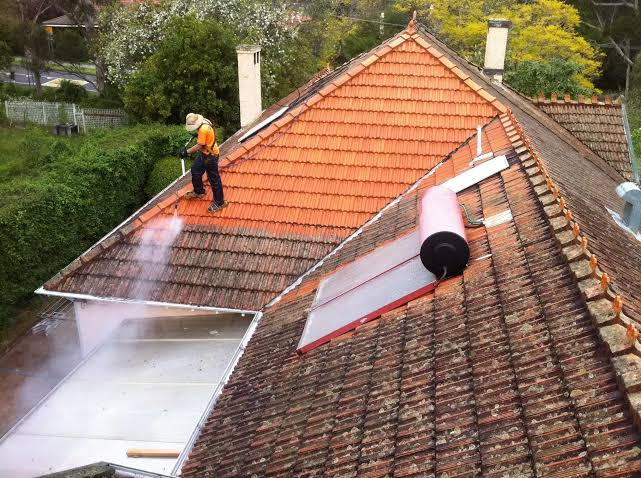
Clay and concrete tiles require careful handling because they can crack under foot traffic or improper pressure. Low-pressure cleaning methods may be suitable, but professional equipment and techniques can reduce the risk of damaging the tiles during maintenance and inspection.
Metal Roofing
Metal roofs are generally easier to maintain because of their smooth surfaces and protective coatings. Light dirt and debris can often be removed with water and appropriate cleaning tools. If a mild detergent is needed, homeowners should follow the roofing manufacturer’s instructions and avoid abrasive materials, wire brushes, steel wool, or power washing.
Roof Cleaning Can Help Protect Long-Term Value
Regular roof maintenance can help homeowners identify small issues before they develop into major problems. It can also support the appearance and performance of the home’s exterior while helping protect one of its most important structural components.
The key is to avoid treating roof cleaning as a simple pressure-washing job. The correct approach depends on the roofing material, local climate, surrounding vegetation, and manufacturer’s maintenance requirements. When homeowners are uncertain about the safest method, consulting a qualified roofing contractor can help prevent cleaning-related damage.
A roof does not need to look dirty before it deserves attention. Regular inspections, debris removal, gutter maintenance, and appropriate cleaning can help homeowners stay ahead of deterioration and protect their roofing investment for years to come.
Conclusion
Regular roof cleaning is an important part of responsible home maintenance, even when the roof appears clean from the ground. Removing debris and organic growth can help reduce moisture buildup, make potential damage easier to identify, and support the longevity of roofing materials. Because every roofing material has different maintenance requirements, homeowners should use manufacturer-approved cleaning methods and consider professional assistance when necessary. Staying proactive with roof inspections and cleaning can help protect the roof, the home, and the investment it represents.
FAQs
Many homes can benefit from professional roof cleaning and inspection every one to two years. However, homes surrounded by trees, heavy vegetation, or located in humid environments may require more frequent maintenance.
Pressure washing is not suitable for many roofing materials. It can remove protective granules from asphalt shingles and potentially damage tiles or protective coatings. The safest approach is to follow the roofing manufacturer’s recommended cleaning method.
Common signs include accumulated leaves and debris, moss, algae, lichen, dark streaks, and organic growth. Debris collecting in roof valleys or gutters can also indicate that maintenance is needed.
Yes. A roof can accumulate moisture-trapping debris and organic growth before obvious damage becomes visible. Routine cleaning and inspections can help identify minor concerns before they develop into more expensive roofing problems.