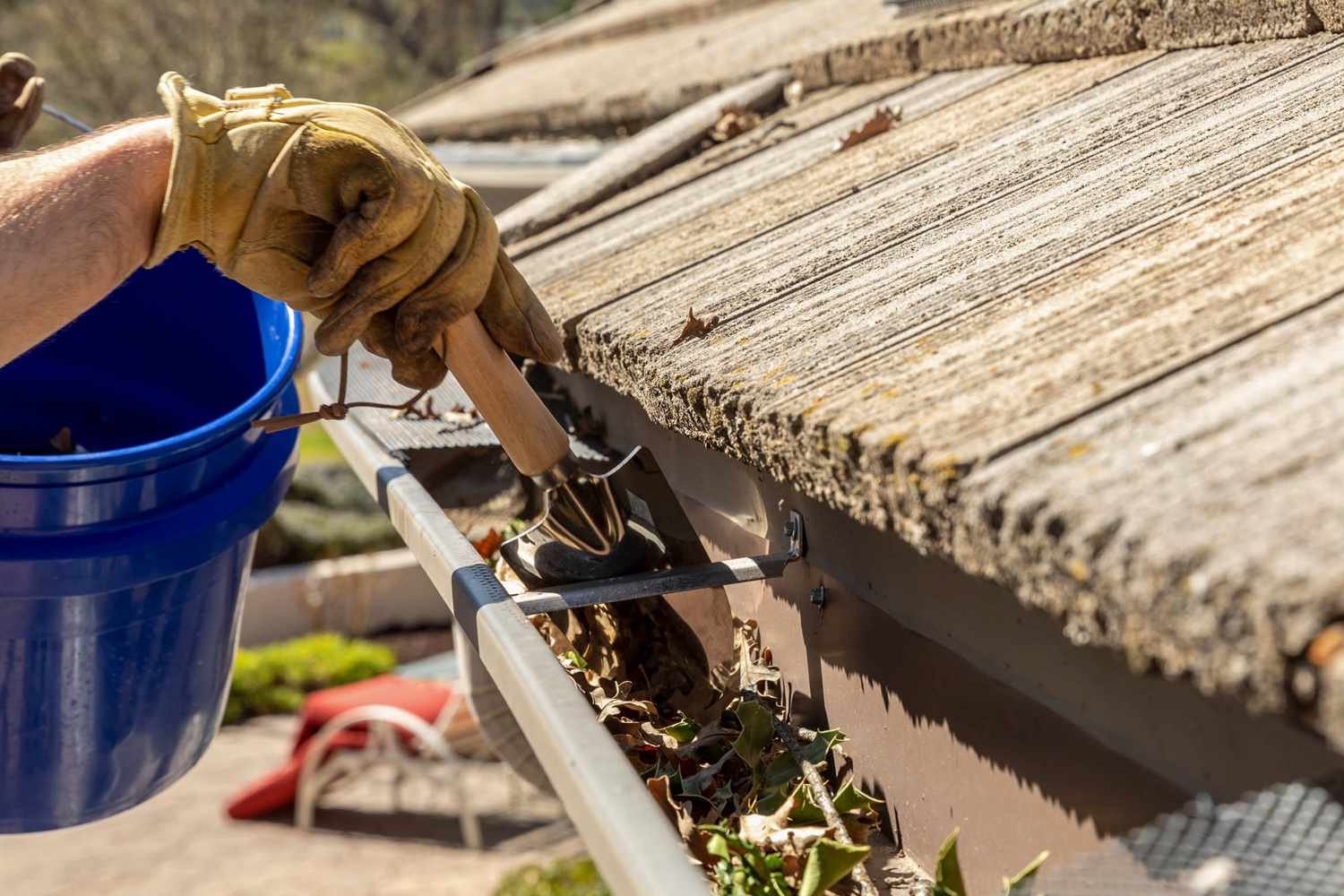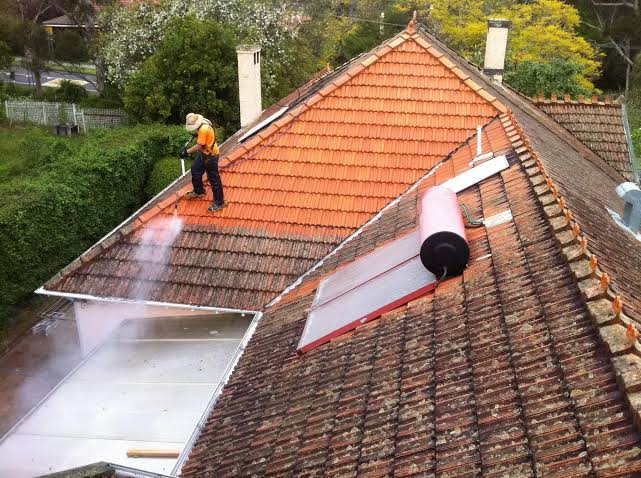
A roof can seem completely normal from the ground while silently accumulating leaves, moss, algae, and lichens, among many other forms of debris. The accumulation of such debris can have an impact on the roof in that it may cause it to retain moisture and hence lead to the roof breaking down. In such cases, roof maintenance becomes vital for the home.
Why Roof Cleaning Should Be Part of Routine Maintenance
Roof cleaning involves more than just increasing its curb value. Organic matter and debris can cause accumulation of moisture that can affect the roofing materials negatively, hence causing rapid deterioration. Cleaning the roof will help one spot any issues such as cracked tiles, raised shingles, broken flashings, among others.
Regular maintenance will involve cleaning the roof based on the roofing material and following the manufacturer’s guidelines. This can help the homeowner in avoiding further damage.
When Is the Best Time to Clean a Roof?
It is generally a good idea to clean the roof during spring or fall. Cleaning during fall could help get rid of organic matter such as leaves before winter weather strikes. Spring cleaning could help take care of any organic matter that accumulated during colder months.
Houses located among many trees would probably need more regular maintenance. There will be an accumulation of leaves, branches, pollen, and other organic materials in the roof valleys and gutters all throughout the year. After harsh weather conditions, the homeowner should inspect the roof for any debris or damages caused by the storm.
How Often Should a Roof Be Cleaned?
No two homes are alike and, thus, there cannot be a single cleaning and maintenance schedule for all homes. One to two-year intervals between professional inspections and cleaning might work well for most homes, but sometimes local conditions make this suggestion not applicable.
Homes in environments filled with lots of plants, for example, require more frequent maintenance due to the fact that shading and accumulation of organic materials foster moss and algae development. Wet environment and saltwater spray can also provide good conditions for developing various problems on the roof surface.
Finally, it is important to consider the roofing material used since asphalt shingles, clay tiles, concrete tiles, wood shingles and metal roofing all require different types of maintenance.
Improper Cleaning Can Damage a Roof
A common mistake made by property owners is to believe that all roofs can be treated in the same manner. Some roofing materials may get damaged due to high-pressure washing. With the use of high pressure on asphalt shingles, protective granules will get stripped from the roof, while tile roofs may be destroyed through inappropriate washing or excessive walking on them.
For this reason, roof cleaning needs to be done in accordance with the manufacturer’s instructions. This task can be performed by an experienced roofer.
Cleaning Different Types of Roofing Materials
Asphalt Shingles
It is generally not advisable to pressure wash asphalt shingles because excessive pressure can strip the protective granules from the shingles, thereby reducing their weather resistance. The soft-wash process recommended by the manufacturer of the shingles would be more appropriate for removing the algae that could grow on the shingles.
Clay and Concrete Tiles
The tiles of clay and concrete roofs have to be handled with great care because the tiles are easily cracked when stepped on or cleaned using too much pressure. It is possible that low-pressure methods of cleaning would work on such roofs without damaging the tiles.
Metal Roofing
Metal roof tiles are much easier to clean than other types of roof tiles because of their smooth texture and coating. Lightly dirty metal roof tiles can be cleaned with the help of water and proper cleaning equipment. In case detergents are needed, it is important to use those recommended by the roofing manufacturer.
Roof Cleaning Can Help Protect Long-Term Value
The right roof maintenance practices will make it possible for the owners to solve minor issues before they develop into more serious ones. This will help to keep the aesthetics and functionality of the exterior of the house while preserving one of the most important structural parts of the building.
This is due to the fact that roof cleaning should not be considered as a regular pressure washing job. There are several factors that will influence the choice of roof cleaning process, such as the kind of roof, climate, vegetation around the roof and manufacturer’s recommendations for maintenance. Thus, when consulting professionals, one will be able to prevent damage to the roof during cleaning procedures.
The roof need not be dirty in order for it to be maintained properly. Proper roof maintenance, inspection, and cleaning will help homeowners to preserve their roof from deterioration for years to come.
Conclusion
Regular cleaning of roofs is a necessary aspect of home maintenance irrespective of whether the roof seems clean from below. Debris removal can go a long way in preventing water accumulation and detecting any possible damage to your roof. Also, cleaning the roof can add years to the lifespan of roofing materials due to the difference in maintenance procedures for various roofing materials. Therefore, manufacturers’ recommendations on how to clean each type of roofing material must be taken into consideration.
FAQs
Many homes can benefit from professional roof cleaning and inspection every one to two years. However, homes surrounded by trees, heavy vegetation, or located in humid environments may require more frequent maintenance.
Pressure washing is not suitable for many roofing materials. It can remove protective granules from asphalt shingles and potentially damage tiles or protective coatings. The safest approach is to follow the roofing manufacturer’s recommended cleaning method.
Common signs include accumulated leaves and debris, moss, algae, lichen, dark streaks, and organic growth. Debris collecting in roof valleys or gutters can also indicate that maintenance is needed.
Yes. A roof can accumulate moisture-trapping debris and organic growth before obvious damage becomes visible. Routine cleaning and inspections can help identify minor concerns before they develop into more expensive roofing problems.