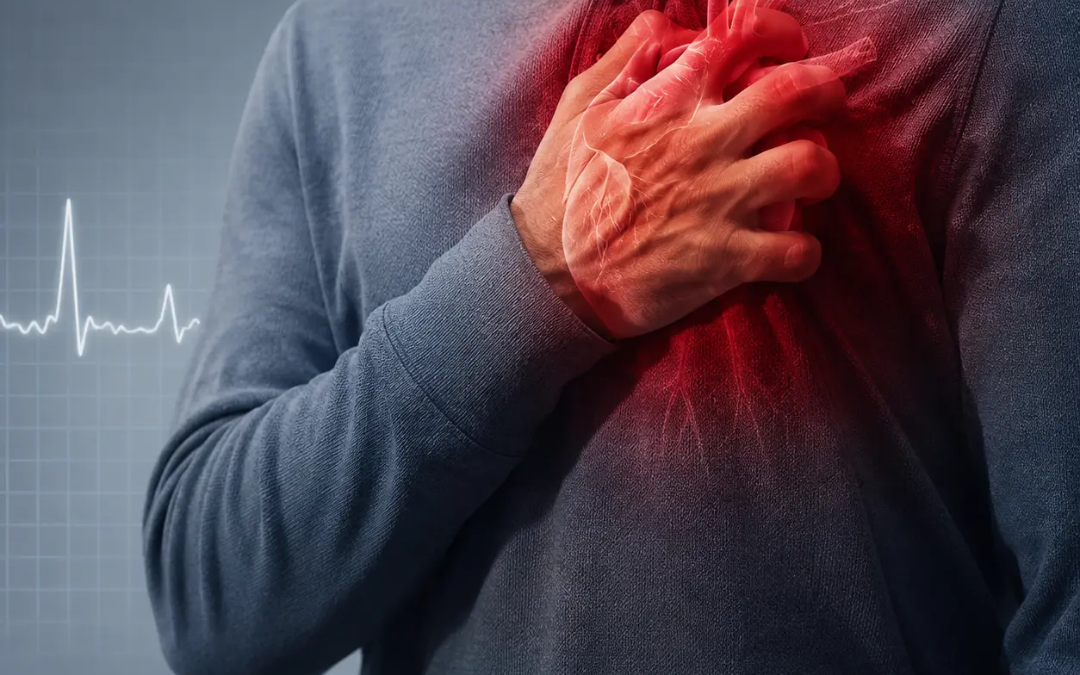
Heart attacks do not always begin with sudden, unmistakable chest pain. Some people experience symptoms hours, days, or even weeks beforehand, while others may have subtle or unusual warning signs. Recognizing these changes can help people seek medical attention sooner.
Common risk factors for heart disease include high blood pressure, diabetes, smoking, high cholesterol, obesity, and physical inactivity. However, symptoms can occur even in people who are not aware that they have cardiovascular risk factors.
Understanding potential warning signs and knowing when to seek emergency care can be an important part of protecting heart health.
1. Chest Pain, Pressure, or Discomfort
Chest discomfort is one of the most commonly recognized symptoms associated with heart problems. It may feel like pressure, squeezing, fullness, heaviness, or discomfort rather than sharp pain.
Recurring chest discomfort, particularly when it appears during physical activity or other forms of exertion and improves with rest, can sometimes be associated with angina. Angina occurs when the heart muscle does not receive enough oxygen-rich blood.
New, unexplained, worsening, or persistent chest discomfort should not be ignored. Anyone experiencing potentially serious chest symptoms should seek medical evaluation, particularly if the symptoms are sudden or severe.
2. Pain or Discomfort in the Neck, Shoulder, Arm, or Jaw

Heart-related discomfort does not always remain in the chest. Some people can experience pain, pressure, numbness, or discomfort that spreads toward the shoulder, arm, neck, back, or jaw.
These symptoms can be particularly easy to overlook because they may resemble muscle strain, dental problems, or other less serious conditions.
When unusual upper-body discomfort occurs together with chest pressure, shortness of breath, sweating, nausea, dizziness, or unusual weakness, emergency medical attention is important.
3. Shortness of Breath During Normal Activities
A noticeable change in breathing can also be an important warning sign.
Someone who suddenly becomes more winded than usual while performing routine activities may need to pay attention to the change. Tasks that were previously manageable, such as walking, climbing stairs, doing household work, or performing light outdoor activities, may unexpectedly cause significant breathlessness.
Shortness of breath can have many possible causes, so it does not automatically indicate a heart attack. However, sudden or unexplained breathing difficulty, particularly when accompanied by chest discomfort or other concerning symptoms, warrants prompt medical attention.
4. Nausea, Stomach Discomfort, or Unusual Fatigue

Digestive symptoms and unusual tiredness can sometimes accompany cardiovascular problems.
Nausea, abdominal discomfort, weakness, or fatigue may occur before or during a heart attack. These symptoms can be particularly difficult to recognize because they are associated with many other common conditions.
Not everyone experiences the same symptoms, and some people may experience only mild symptoms or very few noticeable symptoms. A combination of unexplained symptoms, especially when they represent a significant change from normal, should be taken seriously.
Symptoms Can Become More Frequent or Severe
Warning signs do not follow the same timeline for everyone. Some individuals may notice symptoms intermittently before a cardiac event, while others may experience a sudden emergency without much prior warning.
A pattern that becomes more frequent, lasts longer, or feels increasingly severe deserves particular attention. For example, recurring chest discomfort that begins occurring more often or with less physical activity than before should be discussed with a healthcare professional.
People should not wait for symptoms to become unbearable before seeking help.
When Should Emergency Help Be Called?
Sudden or severe chest pressure, difficulty breathing, fainting, severe weakness, or other symptoms that could indicate a heart attack require immediate medical attention.
In the United States, calling 911 is generally the appropriate response to a suspected heart attack. Emergency medical services can begin assessment and treatment while transporting the person to a hospital.
It is generally safer to seek urgent evaluation when a heart attack is suspected rather than attempting to determine the cause at home.
Reducing the Risk of Heart Disease
Not every heart disease risk factor can be controlled, but several lifestyle and medical factors can be addressed.
Important steps include:
- Avoiding tobacco and working toward smoking cessation
- Maintaining healthy blood pressure
- Monitoring cholesterol levels
- Managing blood sugar and diabetes when applicable
- Maintaining a healthy weight
- Staying physically active
- Following a balanced eating pattern
- Attending routine medical appointments
- Taking prescribed medications as directed
Regular health evaluations can help identify risk factors before they contribute to serious cardiovascular problems. Certain visible changes in the eyes may also provide clues about underlying cardiovascular risk, making them worth discussing with a healthcare professional.
Know Personal Heart Health Numbers
Keeping track of blood pressure, cholesterol, and blood sugar can help people understand their cardiovascular risk.
A healthcare professional can explain what individual measurements mean and recommend appropriate lifestyle changes, screenings, or treatments. People with known cardiovascular risk factors may need more frequent monitoring.
Prevention is especially important because cardiovascular disease can develop gradually without obvious symptoms.
Why Early Action Matters
A heart attack can cause permanent damage to the heart muscle, and delays in treatment can reduce the opportunity for effective intervention. Recognizing concerning symptoms and responding quickly can therefore make a significant difference.
Even people who are uncertain about whether their symptoms are heart-related should consider seeking professional advice when symptoms are new, unexplained, or worsening.
Conclusion
Heart attacks can present in different ways, and not everyone experiences the classic combination of severe chest pain and left-arm discomfort. Chest pressure, unusual pain affecting the neck or jaw, unexpected shortness of breath, nausea, and unexplained fatigue can all warrant attention, particularly when they appear suddenly or become increasingly frequent.
Understanding these potential warning signs is only one part of cardiovascular health. Managing risk factors, maintaining regular contact with healthcare professionals, and responding quickly to serious symptoms can all support better heart health. When a heart attack is suspected, emergency medical assistance should be sought immediately rather than waiting for symptoms to disappear.
FAQs
Yes. Some heart attacks can begin with mild or less typical symptoms, while some people may experience very few symptoms. New or unexplained chest discomfort, breathing difficulty, unusual weakness, or other concerning changes should be evaluated promptly.
It can be. Heart-related discomfort may spread beyond the chest to areas such as the shoulder, arm, neck, jaw, or back. When these symptoms occur with chest discomfort, shortness of breath, sweating, nausea, or other warning signs, emergency medical attention may be necessary.
A suspected heart attack should be treated as a medical emergency. In the United States, calling 911 allows emergency medical professionals to begin assessment and care as quickly as possible. People should not wait for symptoms to become severe or attempt to drive themselves if emergency assistance is available.