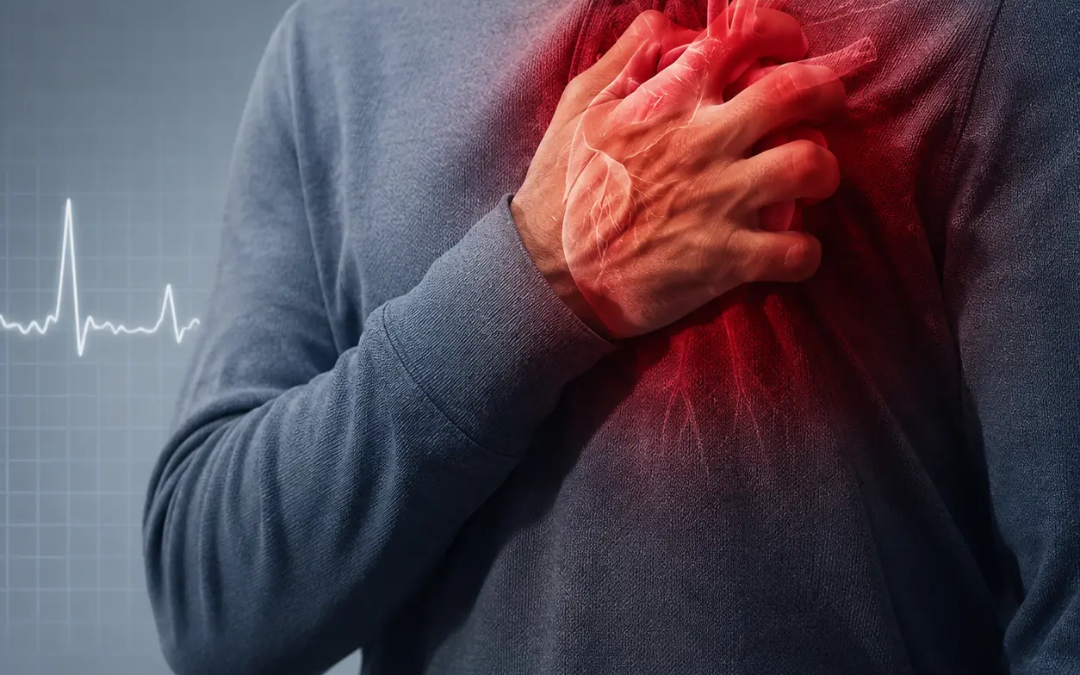
However, not all heart attacks come with intense and definite chest pains. While others may experience these symptoms hours, days, and even weeks before the attack happens, there are some that will experience peculiar symptoms. By identifying these symptoms, it will help them seek immediate medical attention.
Some of the risk factors of heart problems are hypertension, diabetes, smoking, high cholesterol levels, obesity, and lack of physical activities. Nevertheless, one can still have these symptoms even without being at risk of having heart problems.
It is thus very helpful to identify these symptoms to ensure the health of your heart.
1. Chest Pain, Pressure, or Discomfort
Chest pain is among the most commonly identifiable signs of cardiac disorders. Chest pain can be described in different ways, ranging from pressure, squeezing, heavy feeling, and fullness to pain.
When a person experiences repeated episodes of chest pain that come along with any kind of exercise and get better at rest, this condition might indicate angina. This is the result of reduced blood flow with oxygen to the muscles of the heart.
In case of new, worsening, or persisting chest pain, you need to pay attention to this symptom. You must consult your doctor if you have such a symptom.
2. Pain or Discomfort in the Neck, Shoulder, Arm, or Jaw
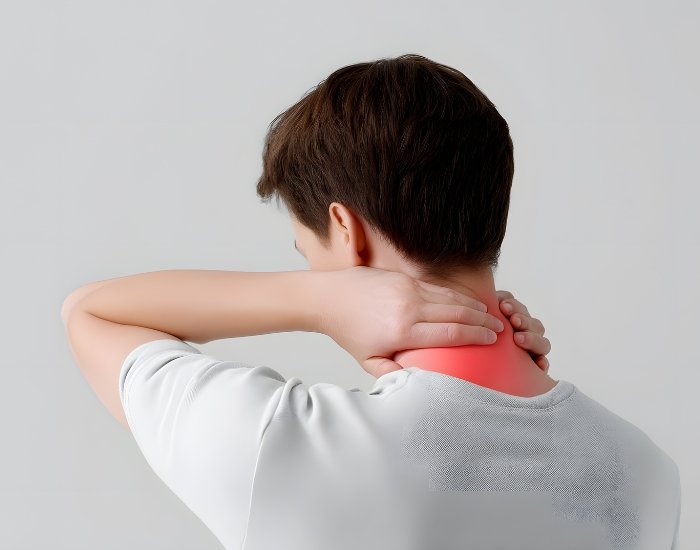
In most cases of heart disease, there is the experience of pain or discomfort which is not necessarily confined to the area of the chest only. The patient may have pain or discomfort that radiates towards his shoulder, arm, neck, back or jaw area.
This symptom may be difficult to detect because it may be taken to be caused by strain on the muscles and even dental problems.
If this symptom occurs alongside the other symptoms of chest pain, difficulty breathing, sweating, nausea, dizziness and weakness, then immediate medical attention should be sought.
3. Shortness of Breath During Normal Activities
Another significant warning sign is the alteration in the breathing pattern.
If someone feels out of breath easily during normal physical activities, then he needs to take note of the fact. Simple tasks like walking, stair climbing, housework, and mild outdoor activities can suddenly result in the sensation of breathlessness.
There can be various reasons for this condition. Therefore, it is not necessarily a symptom of heart attack. But, if one feels breathlessness suddenly without any specific reason, along with chest pain, then he should seek medical help immediately.
4. Nausea, Stomach Discomfort, or Unusual Fatigue

It is quite common to observe such conditions where the presence of problems within the heart can lead to digestion-related issues and tiredness.
Many individuals may experience conditions like nausea, heartburn, fatigue or weakness before or during a heart attack. Such symptoms are quite difficult to diagnose as they relate to other illnesses too.
Not everyone suffers from the same symptoms and some individuals only experience very mild symptoms or even no symptoms at all.
Symptoms Can Become More Frequent or Severe
The signs of warning do not necessarily follow a similar time frame for all. There are some people who might experience intermittent symptoms before an attack of heart ailment, whereas there are other patients who may face emergencies suddenly without prior warning.
An emerging trend, which is becoming regular, increasing in duration or intensity, demands special consideration. For instance, chest pain, which keeps coming back and starts happening with less exertion, needs to be brought to the notice of the doctor.
Symptoms should not be ignored until they become intolerable.
When Should Emergency Help Be Called?
Symptoms like chest pain or tightness, difficulty breathing, fainting, weakness, or any other symptom indicating a heart attack must not be ignored.
For a person who suspects a heart attack in the US, it is best to call 911 and let the emergency staff begin administering the necessary treatment while transferring the patient to the hospital.
In general, when one suspects having a heart attack, it is always better to seek immediate medical help than attempting self-diagnosis.
Reducing the Risk of Heart Disease
Not every heart disease risk factor can be controlled, but several lifestyle and medical factors can be addressed.
Important steps include:
- Avoiding tobacco and cessation of smoking
- Healthy blood pressure levels
- Checking cholesterol levels
- Controlling blood sugar levels, when necessary
- Maintaining an ideal weight
- Staying active physically
- Eating a balanced diet
- Going for regular check-ups
- Taking medications as recommended by the doctor
Health checkups can assist in the detection of risk factors that might result in cardiovascular problems. Some physical signs on the eyes can be another indication of any cardiovascular risk, which needs to be discussed with a healthcare provider.
Know Personal Heart Health Numbers
Measuring blood pressure, cholesterol, and blood sugar will make it easy for people to find out their chances of developing cardiovascular diseases.
For healthcare providers, it becomes easier to interpret the results of these tests and suggest ways of reducing the chances of getting cardiovascular diseases. These tests have to be done regularly by those people who have chances of getting heart diseases.
The prevention measures are necessary due to the reason that the disease does not exhibit any symptoms.
Why Early Action Matters
Heart attacks may result in irreversible damage to the heart muscles, and failure to obtain timely treatment will minimize the chances of being able to intervene successfully.
Individuals who find themselves unsure about whether they are experiencing symptoms related to heart problems should take advantage of getting professional help when faced with symptoms that are new or worsening.
Conclusion
The symptoms of a heart attack can vary widely; everyone may not have classic symptoms of intense chest pain and pain in the left arm. Abnormal chest pressure, abnormal pain in the neck and jaws, abnormal breathlessness, vomiting sensation, and abnormal tiredness are a few of the symptoms that should be looked out for when these symptoms start occurring suddenly and repeatedly.
Identifying these symptoms is just one among many things related to maintaining heart health. Proper management of risk factors, frequent interaction with health care professionals, and an immediate response to severe symptoms are few of the things that can improve heart health. In the case of a possible heart attack, an immediate call to the emergency service providers should be made.
FAQs
Yes. Some heart attacks can begin with mild or less typical symptoms, while some people may experience very few symptoms. New or unexplained chest discomfort, breathing difficulty, unusual weakness, or other concerning changes should be evaluated promptly.
It can be. Heart-related discomfort may spread beyond the chest to areas such as the shoulder, arm, neck, jaw, or back. When these symptoms occur with chest discomfort, shortness of breath, sweating, nausea, or other warning signs, emergency medical attention may be necessary.
A suspected heart attack should be treated as a medical emergency. In the United States, calling 911 allows emergency medical professionals to begin assessment and care as quickly as possible. People should not wait for symptoms to become severe or attempt to drive themselves if emergency assistance is available.